What does sweaty mean in Fortnite?
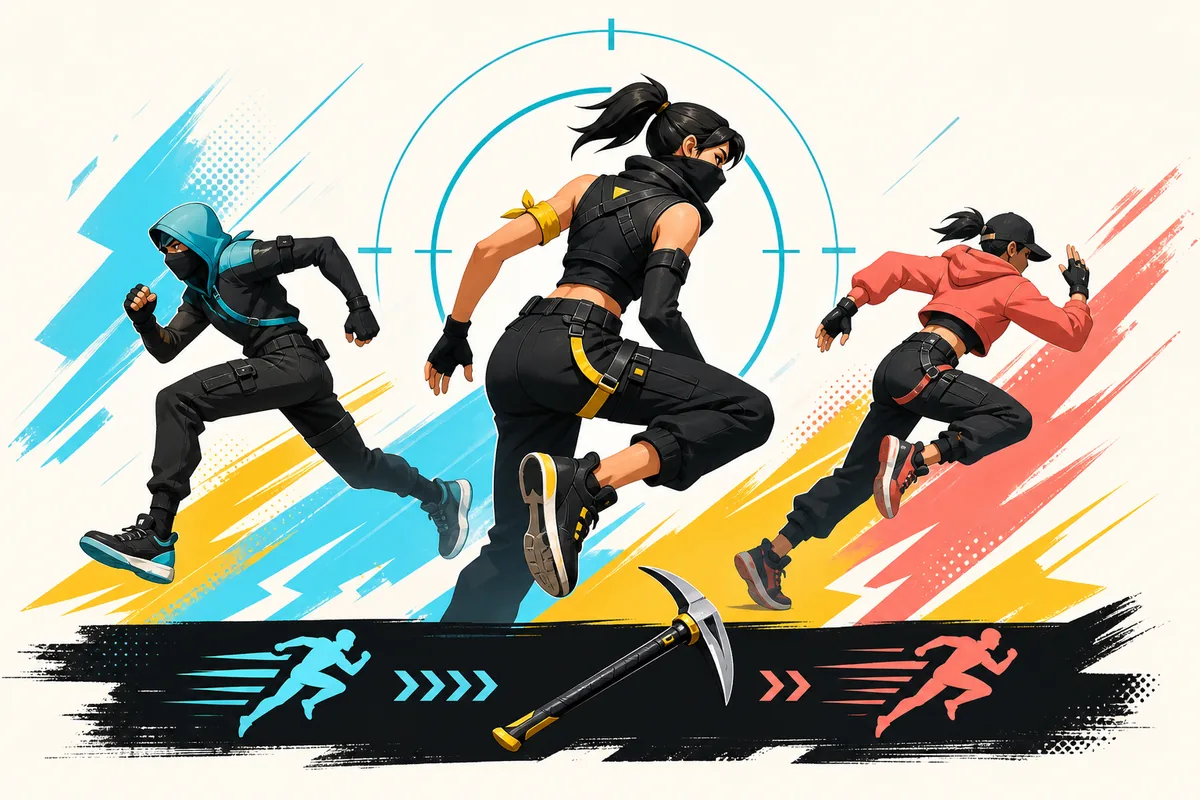
In Fortnite slang, a sweat is a player who treats ordinary matches with tournament-level focus. A sweaty skin is therefore an outfit strongly associated with fast edits, confident pushes, creative-mode practice, ranked play, or prominent competitive creators. The association comes from repeated community use; it is not a stat attached to the cosmetic.
The term can describe both a visual style and a reputation. Visually, players tend to call slim, readable outfits with limited accessories sweaty. Socially, an otherwise ordinary outfit can earn the label after a respected player uses it for months. That explains why the list changes over time even though old outfits remain available in lockers.
Do not confuse sweaty with rare. Rare skins are discussed mainly through release source, last-seen date, or return gap. Sweaty skins are discussed through popularity among competitive players, silhouette, visual noise, and combo flexibility. One outfit can be both, but neither label proves skill.
| Label | What it usually means | What it does not prove |
|---|---|---|
| Sweaty | Community association with competitive play and clean locker style | That the wearer is skilled |
| Rare | Limited source, long absence, or old account availability | That the outfit is competitively useful |
| Popular | Frequently used, searched, streamed, or purchased | That every player considers it sweaty |
| Pay to win | A community claim that a cosmetic gives an advantage | A verified gameplay benefit; treat the claim skeptically |
How we ranked these sweaty Fortnite skins
This ranking uses four practical criteria instead of pretending there is an official tier list. First is competitive recognition: has the outfit repeatedly appeared in ranked, tournament, creator, or practice content? Second is visual clarity: can you read the character, weapon, and surroundings without a large cape, bright reactive effect, or oversized accessory competing for attention?
Third is combo range. Neutral black, grey, white, red, blue, and earth-tone outfits work with more pickaxes and back bling than a highly specific themed costume. Fourth is accessibility. A regular Item Shop outfit is more useful to a new player than an old Battle Pass reward that cannot simply be bought when desired.
The order is editorial, not a measurement of player performance. Shop rotation also changes. Check today's live shop and the official Item Shop before spending V-Bucks, and never buy an account just to obtain an unavailable cosmetic.
- High weight: long-running competitive recognition and a clean silhouette.
- Medium weight: flexible colors, selectable styles, and easy combo building.
- Lower weight: rarity, hype, or a single creator using the outfit once.
- Excluded claim: any promise that a skin changes hitboxes or core combat stats.
The top five: Focus, Crystal, Aura, Manic, and Siren
1. Focus
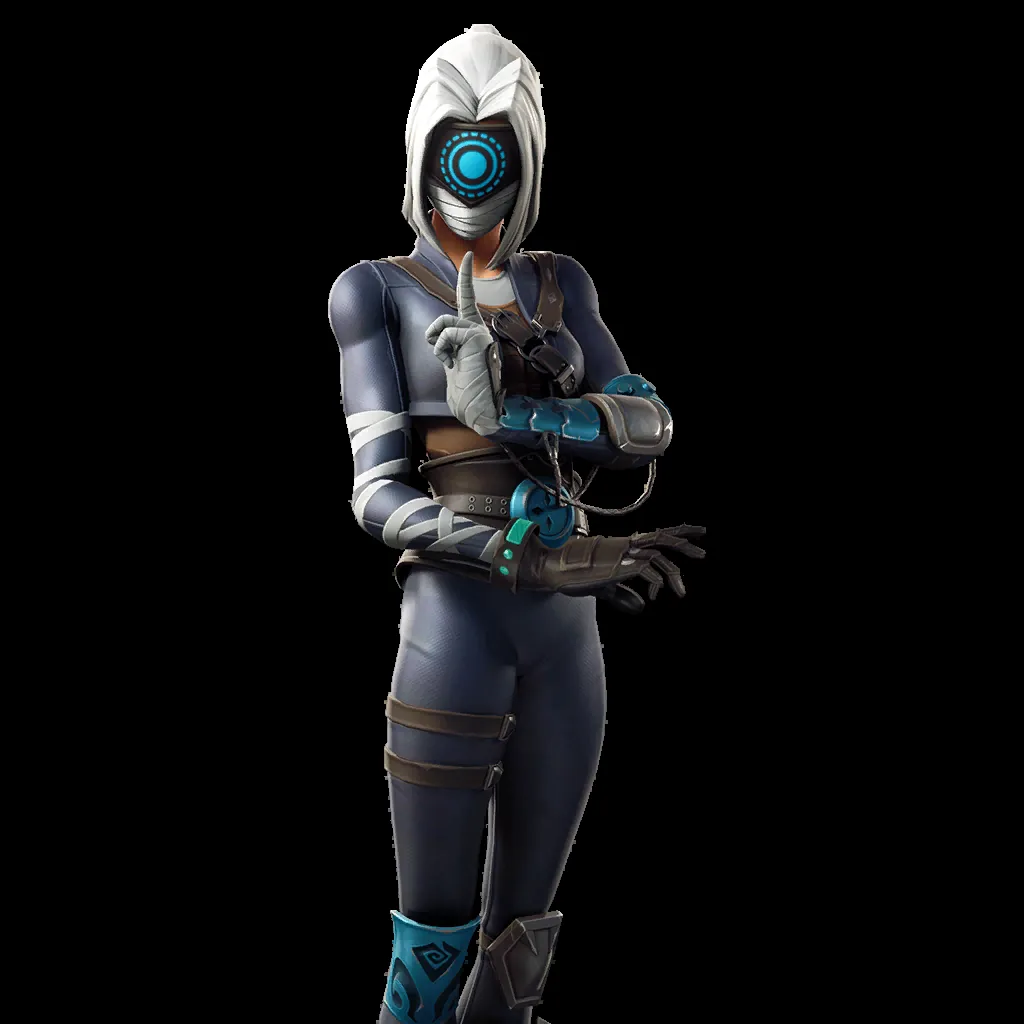
Focus earns the first spot because it combines a narrow, readable design with a distinctive mask and muted navy palette. It looks competitive without depending on a bright reactive effect. The outfit also works with small back bling or none at all, which is how many players keep a low-noise locker setup.
Focus is not automatically better in a fight. Its advantage is practical familiarity: when you use the same clean setup for many matches, fewer cosmetic changes compete for your attention. That is a player-comfort effect, not a hidden stat.
12 sweaty Fortnite skins ranked
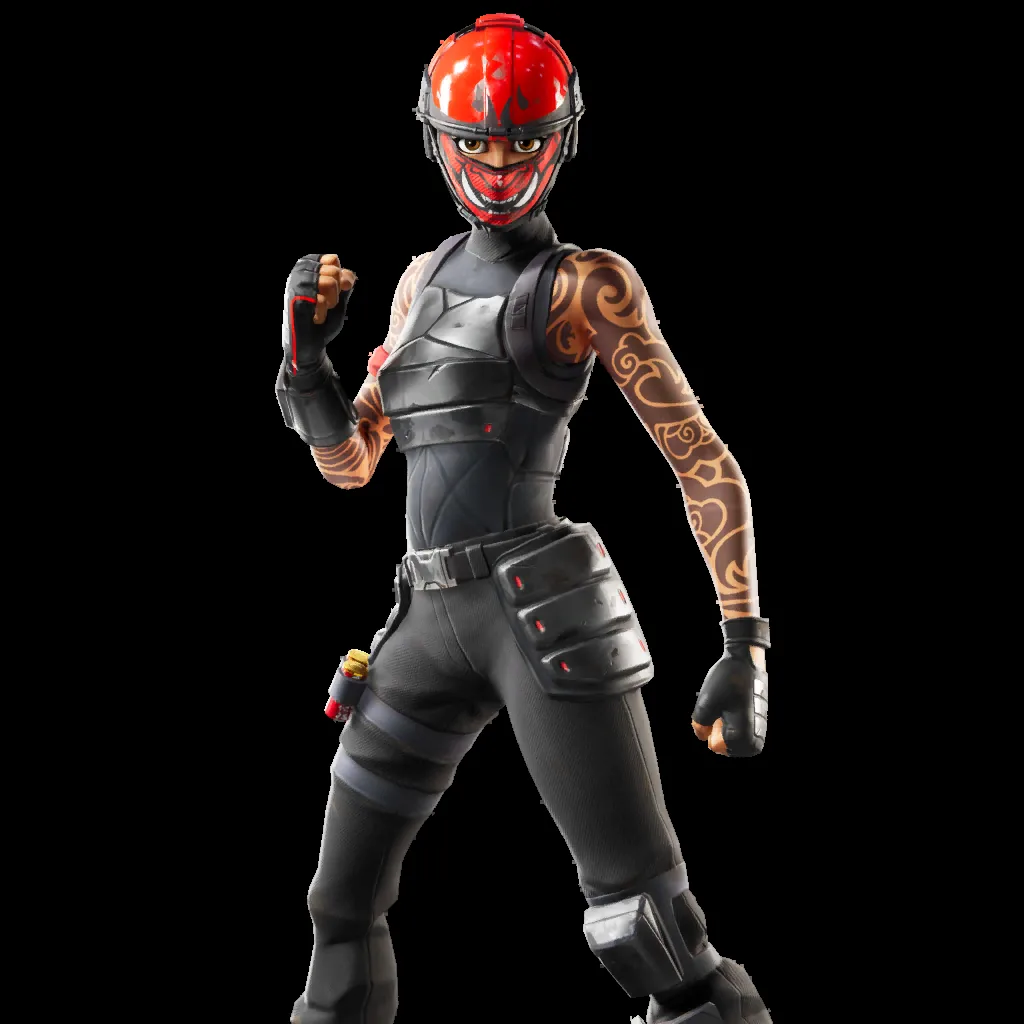
After Focus, the strongest picks cover several versions of the same idea: a clear shape, limited visual noise, and enough color flexibility to build a consistent combo. Crystal and Aura are approachable classics; Manic and Siren suit darker lockers; Surf Witch, Dynamo, and sports outfits carry a long competitive reputation.
Use the notes below as selection guidance rather than a shopping command. If you dislike an outfit's face, colors, or movement in your own locker, its community reputation will not make the purchase worthwhile.
| Rank and skin | Why players call it sweaty | Best for |
|---|---|---|
| 1. Focus | Muted colors, compact design, strong creator recognition | Clean dark or blue combos |
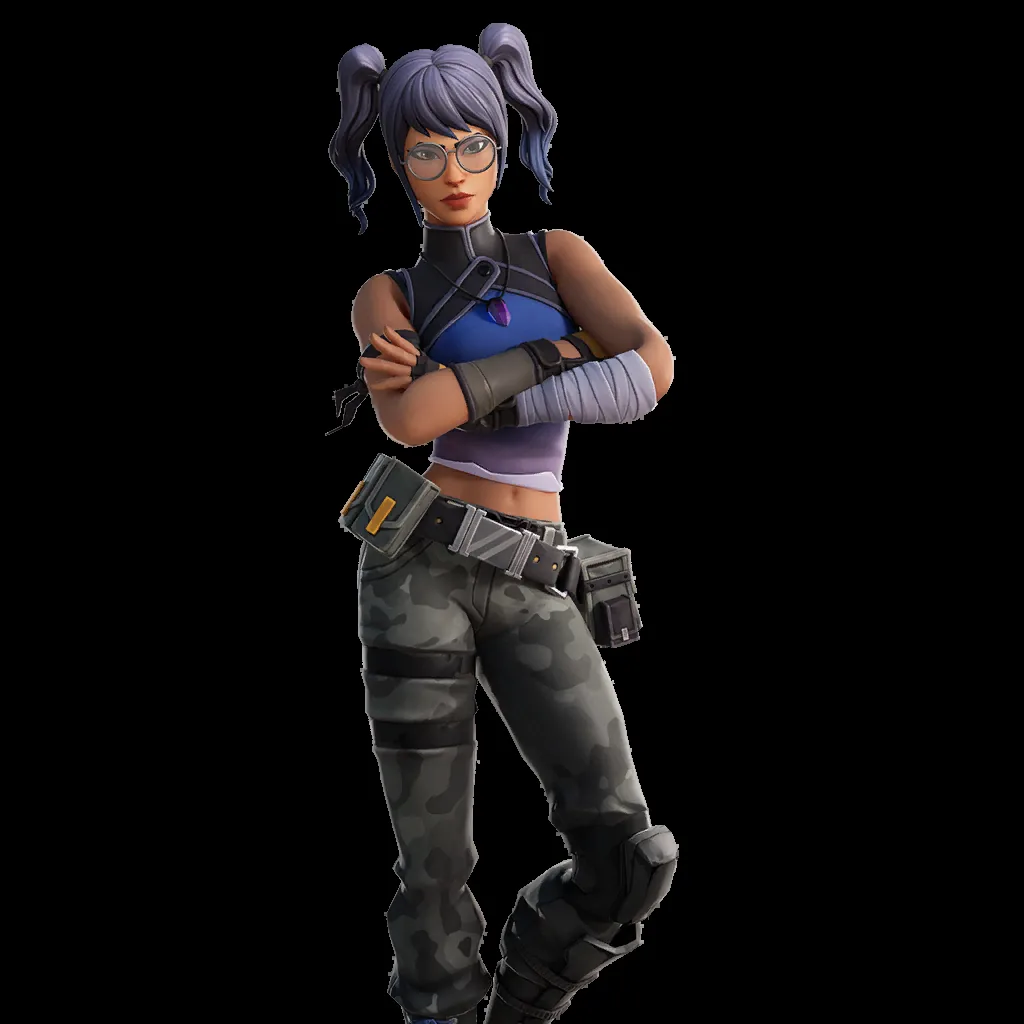
| 2. Crystal | Simple silhouette and years of competitive visibility | Minimal setups and budget-minded buyers |
| 3. Aura | Compact streetwear look with easy gold and earth-tone matching | Casual-to-ranked everyday use |
| 4. Manic | Black-and-red tactical design with selectable-style appeal | Aggressive red or dark combos |
| 5. Siren | Sharp monochrome styling and a low-clutter outline | Black, white, and red lockers |
| 6. Surf Witch | Bright hair contrast over a simple athletic shape | Purple and turquoise combos |
| 7. Dynamo | One of the oldest community sweat associations | Players who like bold wrestling colors |
| 8. Poised Playmaker | Customizable sports colors and long creator history | Team-color combinations |
| 9. Sparkplug | Compact mechanic design with recognizable creator use | Warm and industrial palettes |
| 10. Backlash | Highly customizable superhero colors | Players who want precise palette control |
| 11. Scarlet Commander | Simple tactical form and strong black-red contrast | Low-noise budget combos |
| 12. Mogul Master | Country styles and an established competitive legacy | Winter or national-color sets |
How to build a clean sweaty skin combo
Start with one dominant color and one accent. Manic, for example, already carries black, grey, and red, so a small red pickaxe or neutral harvesting tool is enough. Adding a large animated back bling, glowing trail, and unrelated weapon wrap at the same time usually makes the locker feel less intentional.
Next, test the outfit in the modes you actually play. A combo that looks excellent in the locker may feel busy while editing inside a dark build or tracking opponents in a bright biome. Run several normal matches before deciding that an item is essential. Cosmetics can affect your comfort and visibility on your own screen, but they do not change the underlying hitbox or damage rules.
Finally, separate a complete combo from a complete set. You do not need the matching bundle. A low-cost pickaxe from another set, no back bling, and a plain wrap may produce a cleaner result. Save presets for a few color families so changing outfits does not force you to rebuild every slot.
Check the Item Shop before spending V-Bucks
A skin's reputation can create unnecessary urgency. Item Shop cosmetics may return, but no fan site can guarantee the next date. Verify the outfit name, included styles, bundle contents, and price in the live shop. If an offer has a timer, read the timer in your region rather than relying on an old screenshot or social post.
Do not use skin code generators, shared accounts, or listings that promise a locker full of rare cosmetics. Legitimate code promotions should be traceable to Epic Games or a verified partner and redeemed through official channels. Account transfers introduce recovery, fraud, and rule-enforcement risks that are far larger than the value of one outfit.
A sensible rule is to buy only when you would still use the skin without its sweaty label. If the answer is no, wait. A familiar outfit you already own is a better competitive setup than a trendy purchase you stop using after two matches.
- Confirm the exact outfit and selectable styles in the live Item Shop.
- Compare the standalone price with the visible bundle contents.
- Use only Epic Games or verified partner redemption paths.
- Treat return-date predictions as signals, never as confirmed schedules.
- Keep enough V-Bucks for items you genuinely plan to use.
Common sweaty skin myths
The biggest myth is that a slim-looking outfit has a smaller damage hitbox. Fortnite cosmetics are designed around consistent gameplay rules; the visible model can look narrow or wide without granting the kind of combat advantage implied by pay-to-win claims. If a cosmetic ever creates a real visibility problem, rely on current official notes rather than recycled videos.
A second myth is that wearing Aura, Focus, or a soccer skin makes other players assume you are skilled. Some opponents may recognize the stereotype, but matchmaking, decision-making, aim, positioning, and practice determine the result. The skin may signal taste or familiarity; it cannot perform an edit or win a duel for you.
The final myth is that there is one permanent list. Community preferences shift with new styles, creator trends, tournaments, and shop returns. The useful part of a ranking is the selection framework: choose visual clarity, a coherent palette, and an outfit you enjoy over hype alone.