The 4 signals that make a Fortnite skin rare
Rarity is a practical search problem, not just a cosmetic label. Fortnite has item shop cosmetics, Battle Pass rewards, Crew rewards, tournament rewards, packs, and licensed collaborations. Two skins can both feel rare for completely different reasons. One may be old but still eligible to return tomorrow. Another may be common in old accounts but impossible for a new account to unlock today.
That is why a useful rare-skin page should not only publish a top ten list. It should tell the reader what evidence to check. Return gap, unlock source, collaboration status, and demand are the four signals that matter most. A long gap with low demand is trivia. A long gap plus visible demand, memes, creator attention, or recognizable character appeal is a stronger rarity signal.
| Signal | What to check | Best use |
|---|---|---|
| Item shop return gap | How long the cosmetic has been absent from daily shop rotation. | Good for shop skins that can still return. |
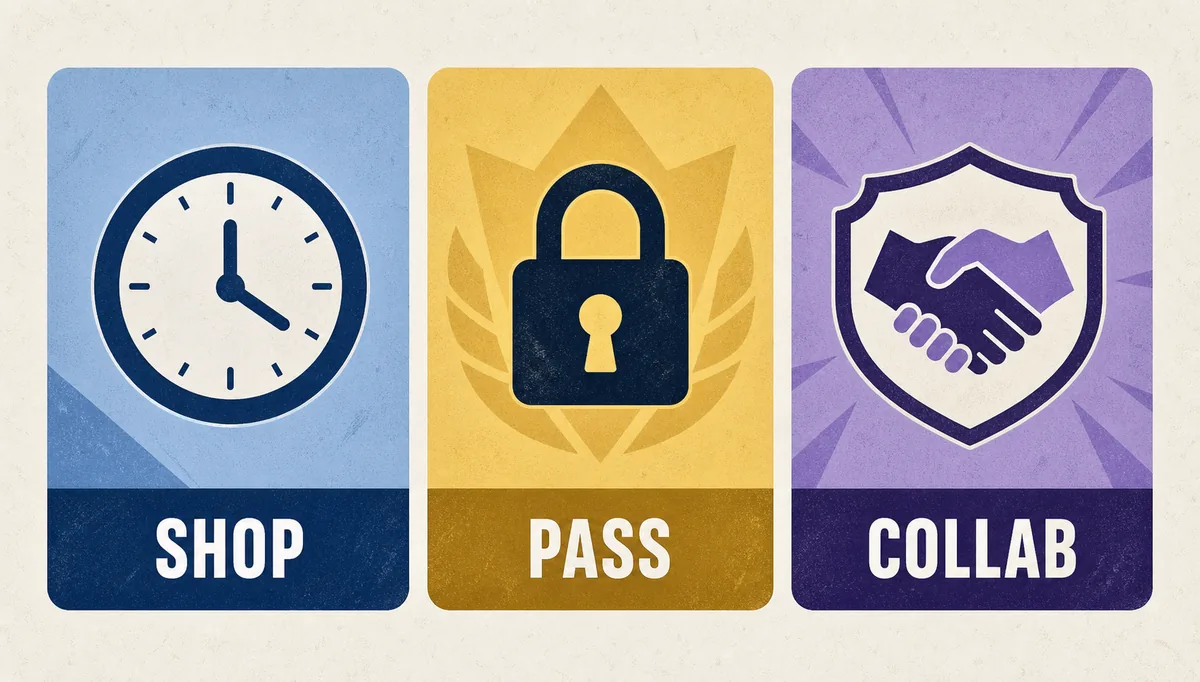
| Unlock source | Battle Pass, Crew, event reward, pack, tournament, or normal shop. | Prevents mixing unavailable rewards with rotating shop items. |
| License or collaboration | Whether a brand, movie, artist, or game partner controls return timing. | Explains why some skins vanish for long periods. |
| Current demand | Search volume, community discussion, and locker prestige. | Separates genuinely searched skins from obscure old cosmetics. |
10 rare Fortnite skins players commonly check
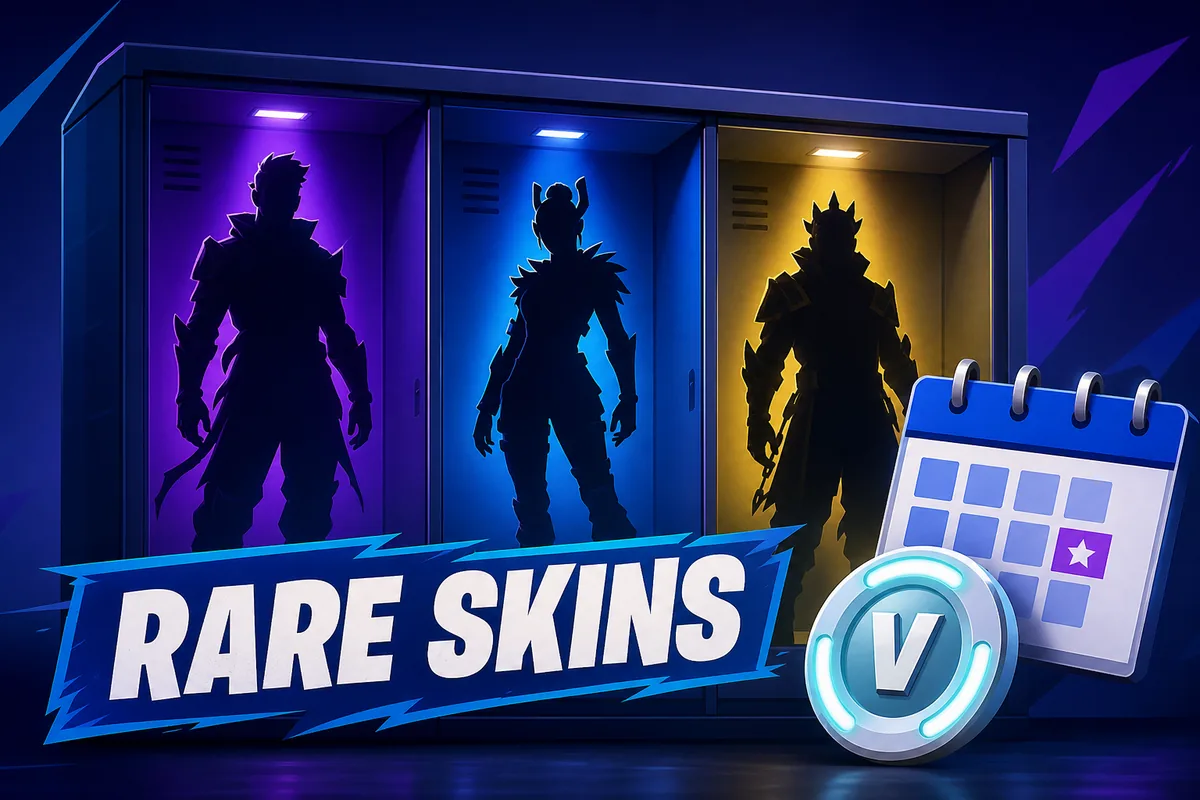
Search results and community lists often mention skins such as Renegade Raider, Aerial Assault Trooper, Black Knight, Galaxy, The Reaper, Travis Scott, Rue, Honor Guard, World Warrior, and Double Helix. They are not rare for one identical reason. Some came from very early seasons, some were tied to devices or events, and some depend on collaboration timing.
Use the list below as a research map, not a guaranteed ownership or account-value chart. Fortnite cosmetics can return, stay locked, or change status when Epic updates policies and events. The point is to understand why each name appears in rare-skin searches.
- Renegade Raider and Aerial Assault Trooper: early-season shop/season cosmetics with high nostalgia demand.
- Black Knight and The Reaper: old Battle Pass prestige, so shop return logic is not the right test.
- Galaxy, Honor Guard, and Double Helix: device or bundle related promotions where eligibility matters.
- Travis Scott and other licensed skins: collaboration return timing is uncertain until officially announced.
- World Warrior or event-linked cosmetics: availability can be tied to a specific competitive or seasonal moment.
Why item shop return gaps matter, but do not prove a skin is gone forever
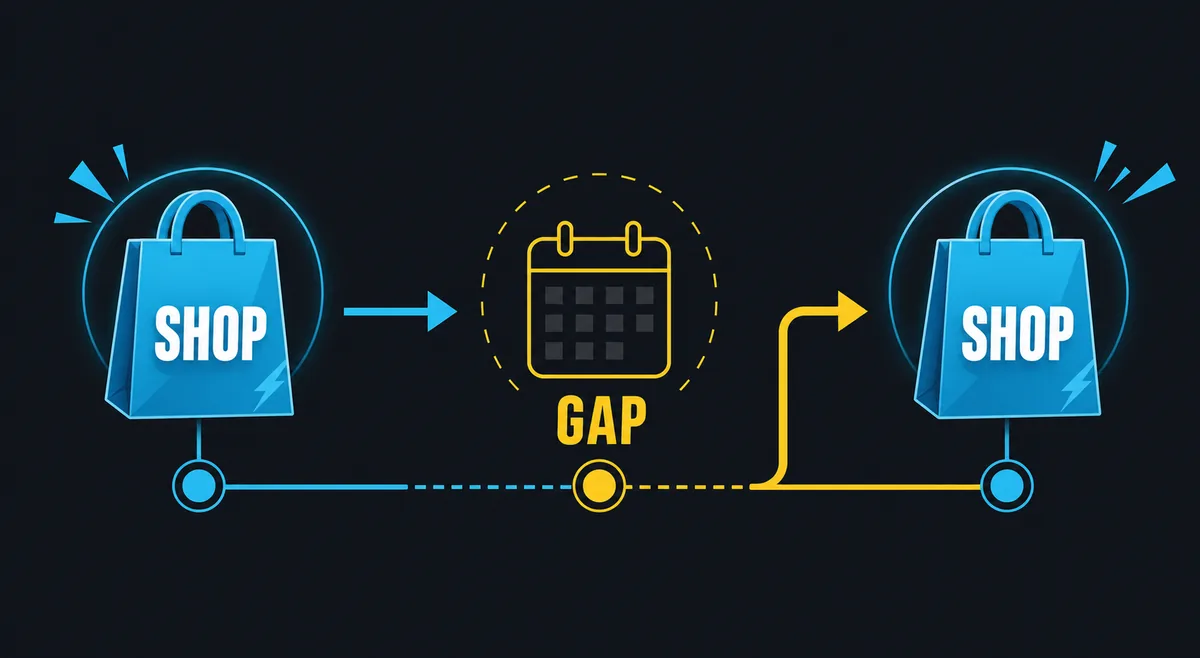
A long item shop gap is useful because it describes actual availability history. If a skin has not appeared for hundreds or thousands of days, players searching today cannot simply buy it from the regular shop. That creates demand and makes the cosmetic feel rare. The mistake is assuming a long gap means the skin can never return.
Shop cosmetics are different from locked rewards. If an item was sold in the item shop and has no visible restriction, it may be able to return whenever Epic chooses. The better question is not 'will it return tomorrow?' but 'what kind of evidence would make a return plausible?' Official announcements, themed tabs, franchise events, and current shop sections are stronger signals than anonymous predictions.
How to check a rare skin before trusting a list
Start with the source type. If the skin was a Battle Pass reward, do not compare it directly with a normal item shop skin. If it was a promotional bundle, check whether the promotion was account-bound, platform-bound, or time-limited. If it was a collaboration, look for official Fortnite, Epic Games, or partner announcements rather than only community screenshots.
Next, check current availability. Use the live item shop tracker on this site for today's shop, then confirm purchases in Fortnite or on Epic's official item shop page. For historical gaps, community databases can be useful directional evidence, but they should not be treated as official purchase guidance.
Safe buying notes for rare Fortnite skins
Do not buy or trade accounts because a skin is described as rare. Account sales can violate platform rules, create recovery risk, and leave the buyer with no reliable support path. A cosmetic being rare does not make a risky account deal safe.
For V-Bucks decisions, focus on cosmetics currently visible to your own account. If a rare skin returns, compare the price, bundle contents, refund-token rules, and whether you will actually use it. The best rare-skin decision is boring: verify the source, confirm availability, and avoid paying for promises about future shop rotations.