What counts as a Fortnite collab?
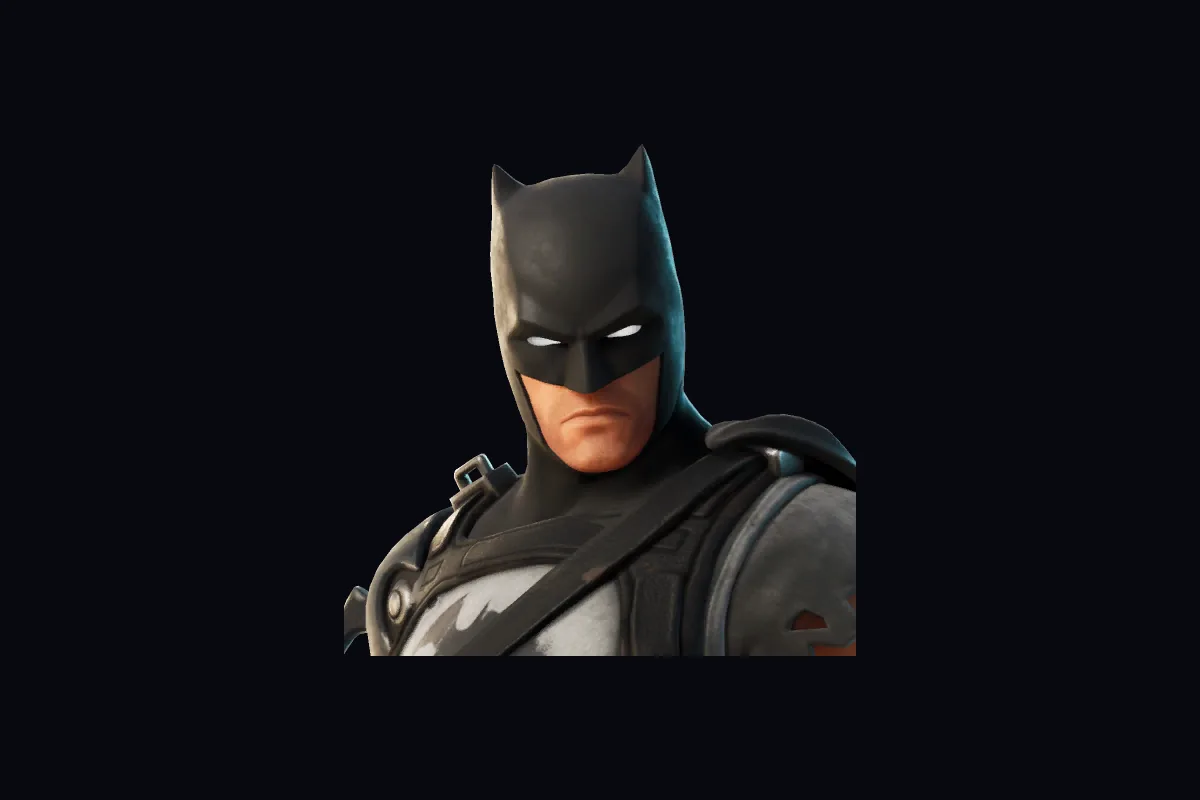
A Fortnite collab can be an outfit, emote, pickaxe, glider, wrap, instrument, car body, LEGO style, festival content, or a bundle built around an outside property. The important SEO and player decision point is not only the brand name. It is how the cosmetic entered Fortnite. A shop outfit and a Battle Pass reward can both be collaborations, but they should not be analyzed with the same return-date logic.
For Item Shop decisions, group collabs by source type before you ask whether they can come back. A shop bundle linked to an active movie release is different from a Crew reward. A creator icon skin is different from a one-time tournament reward. A gaming crossover may return when the partner campaign is active, but the exact day is still unconfirmed until Epic or the live shop shows it.
| Collab type | Typical examples | Best return check |
|---|---|---|
| Normal Item Shop collab | Licensed outfits, emotes, wraps, bundles | Live shop, official news, offer end dates, past appearances |
| Battle Pass or reward collab | Pass skins, quest rewards, tournament rewards | Epic policy/news first; do not treat as daily shop rotation |
| Creator or Icon Series collab | Creators, athletes, musicians, artists | Official announcement, event timing, bundle availability |
| Media or gaming franchise collab | Comics, anime, films, games, sports | Partner event window, current tabs, related set activity |
All Fortnite collabs vs Item Shop return intent
The phrase all Fortnite collabs usually asks for a broad list. That broad list intent is often served by database-style pages and community wikis. This site has a narrower job: helping a player decide what a collaboration means for today's shop, tomorrow's signals, and whether a skin is worth waiting for. That makes the page useful without pretending to maintain a complete legal history of every crossover.
If you only need a historical list, use a wiki-style page and verify dates. If you need a buying decision, list pages are not enough. You need to know whether the cosmetic was a normal shop item, whether it has a current offer, whether the license or event is active, and whether related items are appearing now. Those checks directly support V-Bucks decisions.
Fortnite collabs
Broad informational demand, but this guide narrows it to shop relevance, return signals, and verification.
All Fortnite collabs
Useful as a section explaining list intent, but too broad to promise a complete database here.
Fortnite leaks
High demand, but leak-first intent points toward Reddit, X, and news churn rather than a stable shop wiki page.
7 signals that a Fortnite collab skin may return
Start with official or live evidence. If a collaboration is in the current shop, visible on an official Fortnite page, or tied to a current event announcement, that is stronger than a return-gap chart. Next, check related set activity. When one skin, emote, or bundle from a franchise appears, other items in the set can become more plausible, but they are still not guaranteed.
Historical gaps help explain demand, not scheduling. A collab that has been gone for 600 days may be searched heavily, yet the absence itself does not force Epic to bring it back. Stronger evidence comes from a new film, game launch, anime season, concert, sports event, official announcement, or visible shop tab. Weak evidence includes engagement posts, recycled screenshots, and exact-date claims without a source.
- 1. Current live Item Shop availability.
- 2. Official Fortnite or Epic news.
- 3. Active partner event, season, film, game, album, tournament, or anniversary.
- 4. Related set or bundle activity in the shop.
- 5. Public offer end dates when shown.
- 6. Reliable past appearance history.
- 7. Community discussion, clearly labeled as low-confidence context.
Upcoming Fortnite collabs, leaks, and confirmed shop items are different
Upcoming Fortnite collabs can mean several things: an official announcement, a discovered cosmetic, a rumor from a creator, a datamine, a leaked image, or a community prediction. These are not the same level of evidence. An official Fortnite news post can support a future event. A cosmetic render in public data can prove that an item exists in a data context. Neither automatically proves the exact next Item Shop date unless the offer is visible or announced.
Leak-heavy keywords can bring traffic, but they are risky for a stable fan wiki page because the answers expire quickly and often depend on social platforms. This page handles leaks as a verification problem: what is the source, what exactly is claimed, does the image show a live shop or only a cosmetic, and has Epic confirmed the timing? If those checks fail, keep the claim in the speculation bucket.
| Evidence | What it can prove | What it cannot prove |
|---|---|---|
| Official Fortnite news | A collaboration, event, or release window has public support. | Every related cosmetic will appear on one date. |
| Live Item Shop offer | The cosmetic is currently available for eligible accounts. | That the same offer will remain after an unlisted reset. |
| Public cosmetic data | A cosmetic or render exists in a data source. | The next shop date or account eligibility. |
| Community leak or prediction | Players are discussing a possible collab. | Official confirmation, price, timing, or return guarantee. |
How to evaluate collab skin examples without overclaiming
Look at a named collab skin with three questions. First, was it sold through the Item Shop or unlocked another way? Second, is there a current official reason for the franchise to return? Third, can you verify today's availability in the live shop or your account? This method works better than asking whether a famous franchise is popular, because popularity does not equal scheduled availability.
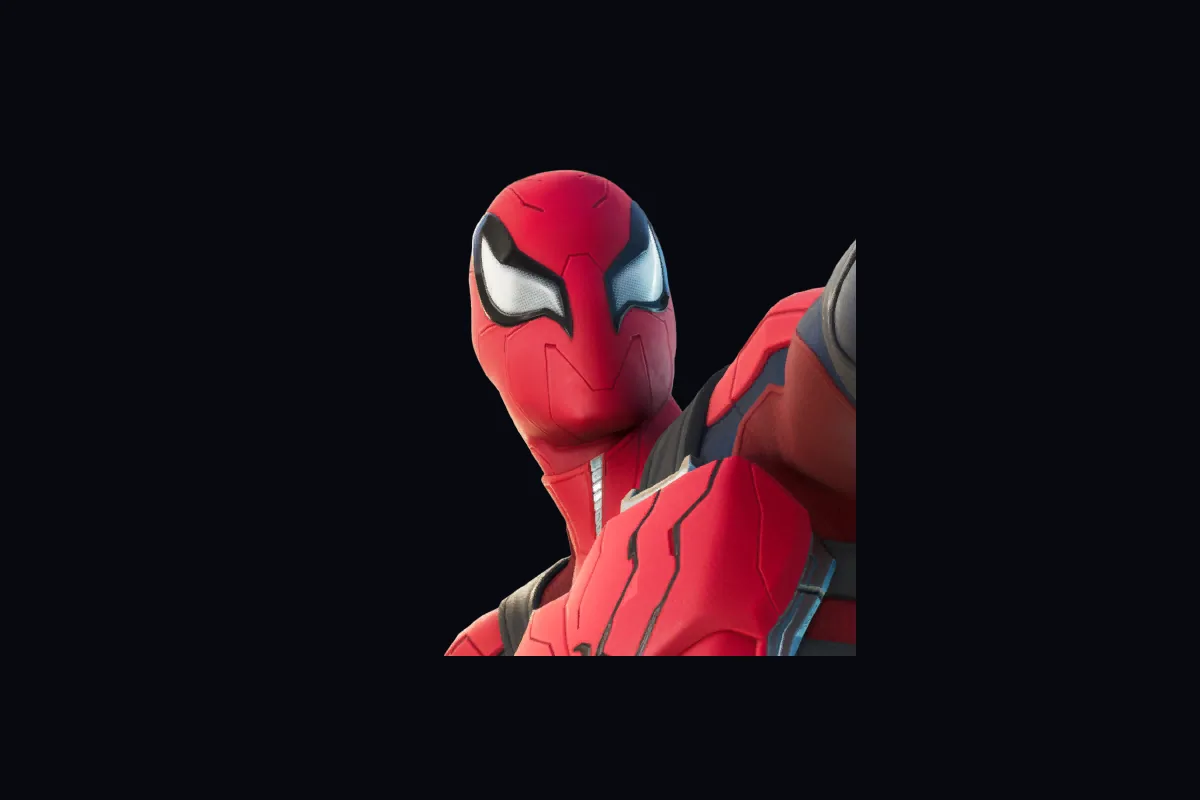
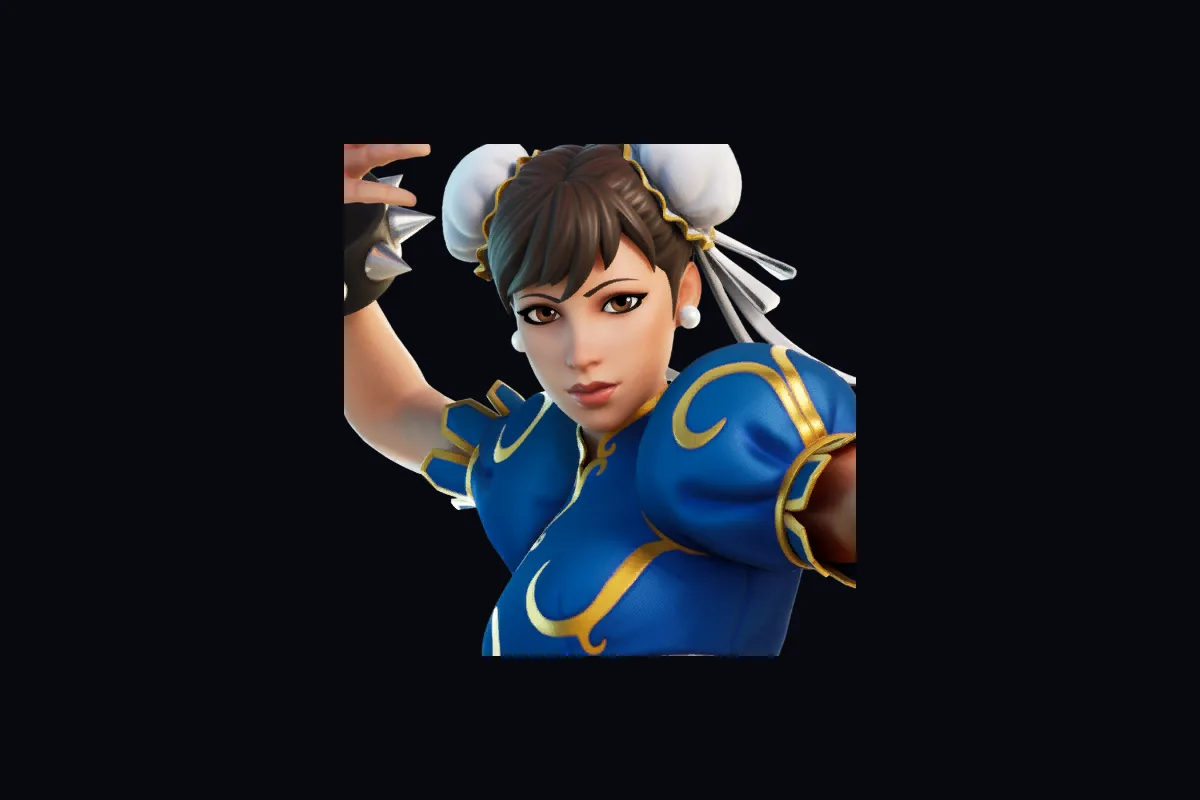
For example, superhero, anime, and gaming collabs often create strong search demand. A returning franchise can make related cosmetics plausible, yet single-item timing can still change. A player waiting for a specific skin should keep the exact item name, source type, last seen date, and official context separate before deciding whether to save V-Bucks.
5-step checklist before you wait for a collab skin
Use the checklist when a post says a collab is coming back soon. First, open the live shop and confirm whether the item is already visible. Second, search the exact cosmetic name, not only the franchise. Third, identify whether it is a shop item, pass reward, Crew item, pack, tournament reward, or promotion. Fourth, compare official news and current event timing. Fifth, decide whether the evidence is strong enough to affect your V-Bucks plan.
This keeps the page practical for Fortnite Item Shop searches. A collab guide should not pressure readers into buying accounts, codes, or unverified offers. If the item is not in Fortnite or on an official Epic purchase path, treat any payment claim as unsafe. If the item is visible in your account, make the decision on price, bundle value, refund rules, and how much you actually plan to use it.
Confirmed availability beats every rumor.
Franchise-level rumors can miss the specific skin you want.
Shop, pass, reward, pack, Crew, and promotion items follow different rules.
Events and Fortnite news are stronger than return-gap guesses.
Use your own account view for final V-Bucks, bundle, and eligibility checks.